
 By admin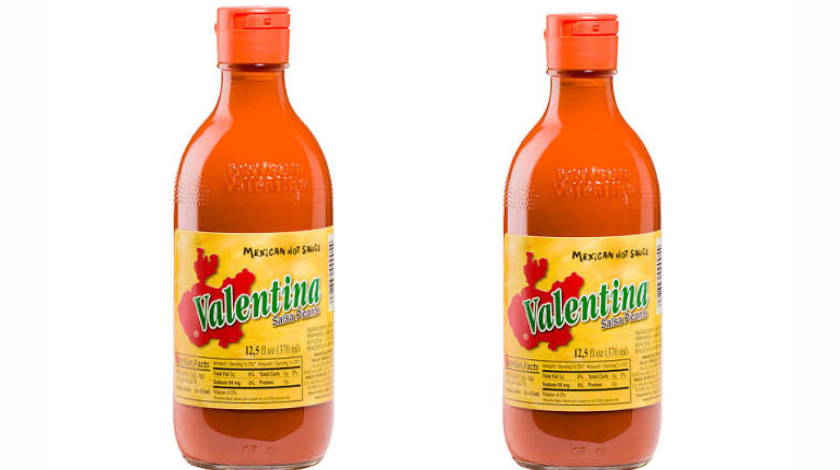
Valentina Hot Sauce is one of the most recognizable Mexican hot sauces in the world. Produced by Salsa Tamazula in Guadalajara, Jalisco, the brand has become a staple in homes, restaurants, and street food stalls across Mexico and many other countries. The sauce traces its roots to the mid-20th century and has earned a loyal following thanks to its balanced combination of chili flavor, tangy vinegar, and mild-to-medium heat. The company says Valentina has grown into one of Mexico’s leading hot sauce brands while expanding internationally.
Unlike many vinegar-heavy American hot sauces, Valentina focuses on delivering a richer chili taste with a thicker consistency. That makes it incredibly versatile you can drizzle it over tacos, popcorn, eggs, fresh fruit, chips, seafood, or even pizza without overwhelming the dish. Instead of simply adding heat, it enhances flavor. This balanced profile has helped the sauce become popular among casual diners and dedicated spice lovers alike.
A Brief History
Valentina was introduced in 1954 and is named after Valentina Ramírez Avitia, a woman remembered for her role in the Mexican Revolution. The sauce is manufactured by Salsa Tamazula, a company based in Guadalajara that later expanded its production and international distribution. Today, the company exports Valentina to numerous countries while continuing production in Mexico.
The brand’s success comes from consistency. While many sauces change recipes over time, Valentina has remained faithful to its original flavor profile. It has become deeply associated with Mexican street food culture, where it is commonly paired with fresh fruit, chips, corn, seafood, and tacos.
Ingredients and Flavor Profile
Valentina uses a relatively short ingredient list:
| Ingredient | Purpose |
|---|---|
| Water | Base of the sauce |
| Chili peppers | Primary flavor and heat |
| Vinegar | Tanginess |
| Salt | Flavor enhancement |
| Spices | Signature taste |
| Sodium benzoate | Preservative |
The peppers used are primarily puya chilies, which are closely related to guajillo peppers. These chilies provide an earthy, slightly fruity flavor instead of an intense burn. The result is a sauce that emphasizes taste over extreme spiciness.
One of the defining characteristics of Valentina is its thicker consistency. It clings well to food instead of running off immediately, making it ideal for snacks like potato chips, cucumber slices, mango, watermelon, roasted corn, and fries. This texture also makes it excellent for dipping and marinating.
Types of Valentina Hot Sauce
Valentina is available in two primary versions.
Yellow Label (Original)
The yellow-label bottle is the classic version that most people recognize. It measures approximately 900 Scoville Heat Units (SHU), placing it firmly in the mild-to-medium range. It is flavorful enough for everyday use without overwhelming sensitive palates.
Black Label (Extra Hot)
The black-label version, often called Extra Hot, increases the heat to around 2,100 SHU while maintaining a similar flavor profile. Many fans appreciate this version because it delivers extra spice without sacrificing the signature taste that made the original famous. Community discussions frequently recommend the black label as the preferred everyday choice for those who enjoy slightly more heat.
Nutritional Information
Valentina is naturally low in calories, making it an easy way to add flavor without significantly increasing calorie intake. Like most bottled hot sauces, however, it does contain sodium, so individuals monitoring salt consumption should pay attention to serving sizes. Because it contains no sugar and very little fat, it fits comfortably into many eating styles when used in moderation.
Capsaicin, the compound responsible for the heat in chili peppers, has been studied for its potential role in metabolism and appetite regulation. While hot sauce alone is not a health food or weight-loss solution, using flavorful condiments like Valentina can make healthy meals more enjoyable without relying on calorie-dense sauces.
Best Foods to Pair with Valentina
One reason Valentina has remained popular for decades is its versatility. Traditional Mexican cuisine uses it with foods such as:
- Tacos
- Elote (Mexican street corn)
- Tortilla chips
- Fresh fruit with lime
- Seafood
- Tamales
Outside of traditional dishes, many people enjoy it on scrambled eggs, grilled chicken, roasted vegetables, pizza, burgers, fries, popcorn, ramen, and sandwiches. The combination of chili, vinegar, and spices complements both savory meals and sweet fruits surprisingly well. This flexibility has helped the sauce gain popularity outside Mexico as well.
Valentina vs. Other Popular Hot Sauces
| Brand | Heat (Approx. SHU) | Flavor Profile | Texture |
|---|---|---|---|
| Valentina Original | 900 | Chili-forward, tangy | Thick |
| Valentina Extra Hot | 2,100 | Rich chili with extra heat | Thick |
| Tabasco Original | 2,500+ | Vinegar-forward | Thin |
| Cholula Original | 500–1,000 | Mild, aromatic spices | Medium |
| Tapatío | Around 3,000 | Peppery and savory | Medium |
Valentina stands out because it prioritizes flavor before heat. While sauces like Tabasco deliver a sharper vinegar punch and Tapatío offers a spicier experience, Valentina occupies a comfortable middle ground that works with a wide variety of foods.
Recent grocery shopping data has also shown that Valentina remains among the most popular hot sauce brands in the United States, highlighting its growing appeal beyond Mexico.
Buying and Storage Tips
Valentina is widely available in supermarkets, Mexican grocery stores, and online retailers. It is commonly sold in multiple bottle sizes, including larger bottles that offer excellent value for households that use hot sauce regularly. Once opened, store the bottle in a cool, dry place or refrigerate it if preferred. Proper storage helps preserve flavor and quality over time.
When purchasing, choose the yellow label if you prefer balanced flavor with gentle heat. If you enjoy a stronger kick while keeping the familiar Valentina taste, the black label is an excellent option.
Conclusion
Valentina Hot Sauce has earned its reputation as one of Mexico’s most beloved condiments through decades of consistent quality, balanced flavor, and remarkable versatility. Rather than chasing extreme heat, it focuses on enhancing food with a rich chili taste that works equally well on tacos, eggs, popcorn, seafood, fresh fruit, and countless everyday meals. Its approachable spice level makes it suitable for beginners, while the Extra Hot version satisfies those looking for additional intensity.
Whether you’re exploring Mexican cuisine for the first time or you’re already a hot sauce enthusiast, Valentina deserves a place in your kitchen. Its affordability, authentic flavor, and wide range of uses explain why it continues to be a favorite across generations.
Frequently Asked Questions
1. Is Valentina Hot Sauce very spicy?
No. The original yellow-label version is relatively mild at about 900 SHU, while the black-label version is moderately hotter at around 2,100 SHU.
2. What peppers are used in Valentina?
Valentina is primarily made with puya chili peppers, which provide earthy flavor and moderate heat.
3. Does Valentina need refrigeration?
It can be stored in a cool, dry place after opening, though refrigeration may help maintain freshness for longer.
4. Is Valentina gluten-free?
The listed ingredients do not include wheat-containing ingredients, but people with allergies or celiac disease should always check the latest product label for their region.
5. What foods taste best with Valentina?
Popular choices include tacos, eggs, popcorn, grilled meat, roasted vegetables, fries, chips, seafood, and fresh fruits such as mango, pineapple, and watermelon with lime.