
 By admin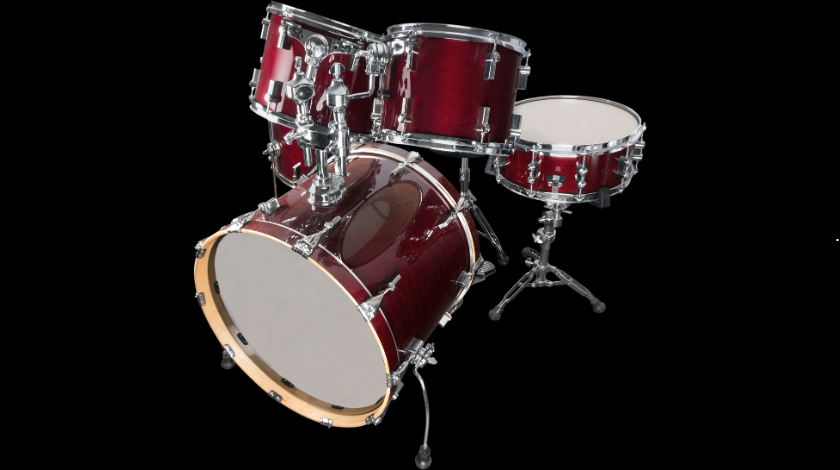
The tom drum, often called a tom-tom, is one of the most expressive instruments in a drum kit. Unlike the snare drum, it has no snare wires underneath, allowing it to produce a warm, resonant tone that adds depth and melody to rhythms. Whether you are listening to a jazz solo, a thunderous rock fill, or a modern pop track, the tom drum plays a critical role in shaping the music’s energy and movement. Its unique voice bridges the gap between rhythm and melody, giving drummers endless creative possibilities.
Modern drum kits commonly feature two rack toms and one floor tom, although configurations vary depending on musical style and personal preference. Typical sizes include 10-inch and 12-inch rack toms paired with a 16-inch floor tom, creating a wide pitch range for fills and transitions.
Understanding the Tom Drum
What Is a Tom Drum?
A tom drum is a cylindrical percussion instrument with one or two drumheads and no snare mechanism. Because it lacks snare wires, its sound is smoother and more resonant than a snare drum. Tom drums are primarily used for fills, accents, transitions, and solos, though they can also carry entire rhythmic patterns in many musical styles.
Tom drums became standard components of the modern drum kit during the early twentieth century. Early versions were untunable, but innovations in shell construction and tuning hardware made it possible to precisely adjust their pitch. Today, toms are available in numerous sizes, depths, and shell materials, enabling drummers to customize their sound for jazz, rock, metal, funk, gospel, orchestral music, and more.
Why Tom Drums Matter in Modern Music
Think of the tom drum as the storyteller of a drum kit. While the bass drum provides power and the snare delivers sharp backbeats, toms create movement and emotion. A well-played tom fill builds anticipation before a chorus, adds excitement to a solo, or creates dramatic transitions between song sections.
Professional producers also value toms because they offer a broad frequency range. High rack toms deliver bright attack, while floor toms provide deep, booming resonance. Proper tuning and microphone placement are essential to achieving a warm, musical sound in both studio and live environments.
History and Evolution
The origins of the tom drum trace back to ancient drums used throughout Asia and Africa. The term “tom-tom” is believed to have roots in Anglo-Indian usage and the Sinhala language. Over centuries, similar drums appeared in ceremonial, military, and cultural traditions before evolving into the instrument used in modern drum kits.
During the early 1900s, drummers wanted more melodic options than the snare and bass drum could provide. Instrument manufacturers responded by developing tunable toms, with drummer Gene Krupa helping popularize their use in swing music. His performances demonstrated that toms could be more than simple effects—they could become expressive melodic voices within a drum solo. That innovation influenced generations of drummers across virtually every genre.
Anatomy of a Tom Drum
Although tom drums appear simple, each component affects their tone.
The shell forms the body of the drum and is commonly made from maple, birch, poplar, mahogany, or other hardwoods. Maple offers balanced warmth, birch emphasizes attack and projection, while mahogany produces darker, richer tones.
Other important parts include:
- Drumheads – produce the sound when struck.
- Hoops – secure the heads.
- Tension rods – adjust tuning.
- Lugs – hold tuning hardware.
- Bearing edges – influence resonance.
- Mounting hardware – attaches rack toms to stands or bass drums.
The tension of the drumhead directly determines pitch: tighter heads create higher notes, while looser heads generate lower, fuller sounds.
Types of Tom Drums
Several tom drum varieties exist, each serving different musical purposes.
| Type | Characteristics | Common Use |
|---|---|---|
| Rack Tom | Mounted above bass drum or stand | General drum kit playing |
| Floor Tom | Larger shell with legs | Deep low-end tones |
| Concert Tom | Single-headed design | Concert bands, fusion |
| Roto Tom | Tuned by rotating the frame | Percussion effects and melodic playing |
Rack toms usually range from 8 to 13 inches, while floor toms commonly measure 14 to 18 inches. Larger toms produce lower pitches and longer sustain, making them ideal for powerful rock and orchestral performances.
How to Choose the Right Tom Drum
Choosing the perfect tom depends on your musical goals.
A versatile beginner setup often includes:
| Tom Size | Typical Pitch | Best For |
|---|---|---|
| 10″ | High | Pop, Fusion |
| 12″ | Medium | Rock, Blues |
| 14″ | Medium-Low | Jazz |
| 16″ | Low | Rock, Metal |
Shell material also matters.
- Maple – Warm and balanced.
- Birch – Bright and punchy.
- Mahogany – Deep and vintage.
- Poplar – Affordable and balanced.
Many experienced drummers recommend testing several drums before buying because shell construction, drumheads, and tuning can significantly change the overall sound.
Tom Drum Playing Techniques
Mastering toms requires more than simply striking different-sized drums.
Basic fills usually move from the highest-pitched rack tom toward the lowest floor tom, creating a natural descending melody. Beginners often start with simple quarter-note and eighth-note fills before progressing to sixteenth-note patterns.
Advanced drummers incorporate ghost notes, flams, paradiddles, and dynamic accents across multiple toms. In progressive rock and fusion, toms frequently become the main rhythmic voice rather than merely transition instruments. Community discussions among experienced drummers also emphasize leaving space between notes and using varied dynamics to create more musical fills instead of continuous fast patterns.
Maintenance and Care
Proper maintenance keeps tom drums sounding their best.
Clean drumheads regularly to remove stick residue and dust. Check tuning before every performance because temperature and humidity affect head tension. Tighten loose hardware periodically, lubricate tension rods when necessary, and transport drums in padded cases to prevent shell damage.
Replacing worn drumheads every several months of frequent playing can dramatically improve tone and tuning stability. Many recording engineers agree that fresh heads often have a greater impact on sound quality than expensive microphones.
Conclusion
The tom drum is far more than a supporting instrument. It provides melody, texture, excitement, and emotional movement that help define modern drumming. From ancient percussion traditions to today’s sophisticated drum kits, toms have continually evolved while remaining one of the most expressive voices in music.
Whether you’re a beginner assembling your first kit or an experienced drummer refining your tone, understanding shell materials, drum sizes, tuning, and playing techniques will help you unlock the full potential of your toms. With thoughtful maintenance and regular practice, a quality set of tom drums can inspire decades of expressive performances.
Frequently Asked Questions
1. What is the purpose of a tom drum?
Tom drums are mainly used for fills, transitions, accents, and melodic rhythmic patterns.
2. Why doesn’t a tom drum have snare wires?
Without snare wires, toms produce a warm, open, resonant sound instead of the sharp buzz associated with snare drums.
3. What sizes are most common?
A standard drum kit often includes 10-inch and 12-inch rack toms with a 16-inch floor tom.
4. Which wood is best for tom drums?
Maple is popular for its balanced tone, birch for brightness, and mahogany for deep vintage warmth.
5. How often should tom drumheads be replaced?
For frequent players, replacing drumheads every 6–12 months helps maintain consistent tone and tuning, though actual lifespan depends on playing intensity.