
 By admin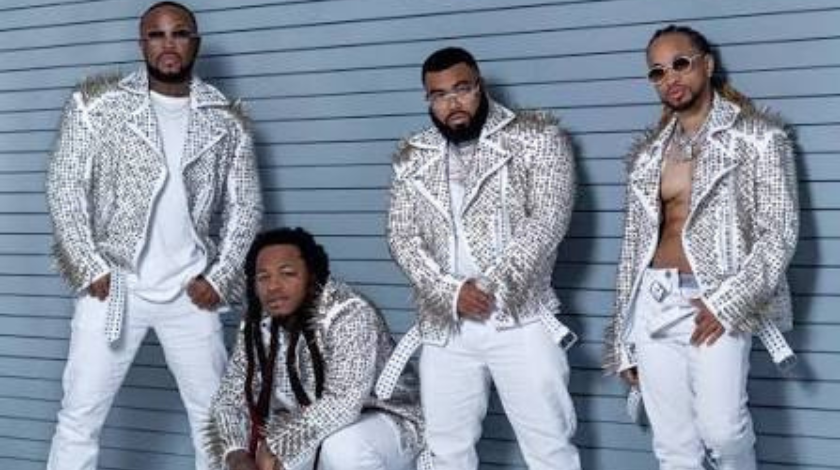
The music industry is filled with talented performers who receive massive mainstream attention, while others quietly build a reputation among dedicated fans. Emmanuel Ramone DeAnda belongs to the latter category. Although his name may not be instantly recognizable to casual music listeners, he has appeared in several music-related projects and gained attention through his association with the R&B group Pretty Ricky. Over the years, his presence has generated curiosity among fans seeking to learn more about his artistic journey.
What makes Emmanuel Ramone DeAnda interesting is that much of his story exists outside the traditional celebrity spotlight. Rather than becoming a constant fixture in entertainment headlines, he developed a reputation among music enthusiasts who followed the evolution of Pretty Ricky and related R&B projects. This combination of mystery and talent has contributed to ongoing interest in his career.
As digital music platforms continue to reshape the entertainment landscape, artists like DeAnda have gained new opportunities to connect directly with listeners. His journey offers insight into the realities of modern music careers, where success is often measured not only by chart positions but also by artistic persistence, audience engagement, and creative independence.
Early Life and Musical Influences
Every artist begins somewhere, and Emmanuel Ramone DeAnda’s musical development likely reflects the experiences shared by many aspiring performers. Growing up in an era dominated by contemporary R&B, hip-hop, and pop influences, he was exposed to genres that shaped an entire generation of musicians. The smooth vocal styles, emotional storytelling, and rhythmic foundations of R&B became central elements in his artistic identity.
Musicians often draw inspiration from personal experiences, community culture, and the sounds that surround them during their formative years. For DeAnda, the path toward music appears to have emerged through a combination of talent, dedication, and a willingness to pursue opportunities within a competitive entertainment industry.
Artists who eventually perform on larger stages typically spend years refining their abilities long before public recognition arrives. Vocal practice, songwriting experimentation, and live performance experience contribute to the foundation necessary for professional growth. While extensive biographical details remain limited, his later involvement with recognized music projects suggests a significant commitment to developing his craft.
Entry into the Music Industry
Breaking into the music industry is rarely straightforward. The path usually involves networking, performing, recording demos, and building relationships with producers and fellow artists. Emmanuel Ramone DeAnda appears to have followed a similar trajectory, gradually establishing himself within the R&B scene.
For emerging performers, the challenge extends beyond simply possessing vocal talent. Artists must also create a recognizable identity capable of attracting listeners and industry attention. This often requires balancing authenticity with commercial appeal. Successful musicians learn to adapt while maintaining the characteristics that make them unique.
The rise of digital platforms has transformed how artists launch their careers. Independent musicians can now distribute songs globally without relying exclusively on traditional record labels. This shift has enabled many performers, including artists associated with R&B and urban music communities, to reach audiences through streaming services and social media engagement.
Connection with Pretty Ricky
One of the most widely referenced aspects of Emmanuel Ramone DeAnda’s career is his connection with the R&B group Pretty Ricky. Public discussions and fan forums from the early 2010s identified him as a performer associated with the group during a transitional period.
Pretty Ricky built a strong following through songs that combined melodic vocals with contemporary R&B production. The group’s success created a passionate fan base that closely followed lineup changes and artistic developments. Entering an established group presents unique challenges because audiences often compare new members to previous performers.
For DeAnda, joining a well-known act meant stepping into an environment filled with expectations. Fans naturally evaluate how new members contribute to the group’s chemistry, sound, and overall identity. Such transitions can be difficult, but they also provide valuable opportunities for exposure and professional growth.
The association with Pretty Ricky introduced his name to a wider audience and contributed significantly to public awareness of his work. Even years later, discussions about the group’s history frequently mention his involvement during this period.
Musical Style and Vocal Characteristics
R&B has always emphasized emotion, melody, and vocal expression. Artists within the genre are expected to communicate feelings in a way that resonates with listeners. Emmanuel Ramone DeAnda’s work reflects many of these traditional R&B characteristics.
A strong R&B vocalist must balance technical skill with emotional authenticity. Audiences connect most deeply with performers who can transform personal experiences into relatable musical narratives. Whether addressing themes of love, relationships, ambition, or personal growth, successful R&B artists create a sense of intimacy with listeners.
Stage presence also plays a crucial role. Live performances require confidence, audience engagement, and the ability to deliver memorable experiences. Musicians who perform within established groups often learn valuable lessons about showmanship and crowd interaction, skills that remain useful throughout their careers.
Songwriting and Creative Contributions
Beyond performance, songwriting represents an essential aspect of artistic expression. Public copyright-related records associated with music industry litigation reference Emmanuel DeAnda among creators connected to works such as “Topless” and “Tipsy In Dis Club.”
Songwriting allows artists to shape their creative identities. Instead of relying solely on material written by others, songwriters can communicate personal perspectives and experiences through music. This creative control often strengthens an artist’s connection with audiences.
The songwriting process itself is both technical and emotional. It requires combining lyrics, melody, rhythm, and structure into a cohesive composition. Successful songs frequently emerge from collaboration, bringing together multiple perspectives and talents to create something memorable.
For musicians operating within the contemporary R&B landscape, songwriting remains one of the most valuable skills. It opens opportunities for publishing income, artistic recognition, and long-term influence within the industry.
Public Recognition and Media Coverage
Unlike major mainstream celebrities, Emmanuel Ramone DeAnda has maintained a relatively low public profile. This has created an interesting dynamic where fan curiosity often exceeds the amount of available information. As a result, online discussions, music databases, and fan communities have become important sources for understanding his career.
The digital age has fundamentally changed how recognition works. An artist no longer needs constant television appearances to maintain relevance. Streaming platforms, social media channels, and online music communities enable performers to reach audiences directly.
Public recognition often develops in stages. Initial exposure may come from group affiliations, collaborative projects, or viral moments. Over time, individual achievements contribute to a broader reputation. For artists like DeAnda, recognition appears to stem from a combination of musical involvement and enduring fan interest.
Legal and Copyright References
One notable public record involving Emmanuel Ramone DeAnda comes from a 2011 copyright-related lawsuit that included multiple plaintiffs connected to musical works. Court filings identify him among the listed plaintiffs in litigation involving copyright claims. The case was ultimately voluntarily dismissed without prejudice.
Copyright protection serves as a cornerstone of the music industry. It ensures that creators maintain legal rights over their original works and can benefit from their creative efforts. For musicians, these protections are essential because songs represent both artistic expression and intellectual property.
The inclusion of DeAnda in copyright-related filings highlights the broader realities of professional music careers. Artists frequently engage with legal processes related to ownership, licensing, royalties, and creative rights. While such matters may not attract the same attention as new releases or performances, they play a significant role in protecting artistic contributions.
Career Evolution in the Digital Era
The music industry today looks dramatically different from the one that existed two decades ago. Streaming services have replaced many traditional distribution models, giving independent artists unprecedented access to global audiences. Publicly available music platform listings indicate that Emanuel DeAnda has released music under his own name in recent years.
This shift toward digital distribution has empowered artists to maintain greater control over their careers. Instead of relying exclusively on major labels, musicians can independently release songs, build audiences, and generate revenue through streaming and direct fan support.
For artists navigating this landscape, adaptability is essential. Success depends not only on musical talent but also on branding, audience engagement, and strategic use of technology. Those who embrace these changes often discover new opportunities that were unavailable to previous generations.
Challenges and Opportunities
Every music career involves obstacles. Competition is intense, audience preferences evolve rapidly, and maintaining visibility requires consistent effort. Artists must continuously adapt while remaining true to their creative identities.
At the same time, opportunities have never been more accessible. Technology has lowered barriers to entry, enabling talented performers to create professional-quality recordings from home studios and distribute them worldwide. Social media platforms provide direct communication channels between artists and fans.
For Emmanuel Ramone DeAnda, the future remains open-ended. His existing associations, songwriting contributions, and musical releases provide a foundation upon which further creative endeavors can be built. The entertainment industry rewards persistence, and many artists achieve significant breakthroughs after years of gradual development.
Legacy and Future Prospects
Legacy is not determined solely by commercial success. It is also shaped by influence, creativity, and the ability to leave a lasting impression on listeners. Emmanuel Ramone DeAnda’s connection to notable R&B projects ensures that his name remains part of conversations surrounding that era of contemporary urban music.
As music continues evolving, artists who combine traditional talent with modern adaptability are positioned to thrive. Whether through new recordings, collaborations, live performances, or creative ventures beyond music, opportunities remain abundant.
The story of Emmanuel Ramone DeAnda illustrates an important reality about the entertainment industry: not every meaningful career unfolds in front-page headlines. Many artists contribute to music culture through persistence, creativity, and dedication, leaving an impact that extends beyond mainstream visibility.
Conclusion
Emmanuel Ramone DeAnda represents a fascinating example of an artist whose career intersects with group performance, songwriting, and independent musical development. His association with Pretty Ricky, participation in copyright-related music matters, and continued presence within music platforms have generated lasting interest among fans and researchers alike. While publicly available information remains limited, the existing record paints a picture of a performer committed to his craft. As digital platforms continue expanding opportunities for artists, his story remains an intriguing chapter within the broader history of contemporary R&B.
Frequently Asked Questions
1. Who is Emmanuel Ramone DeAnda?
Emmanuel Ramone DeAnda is a singer and songwriter known primarily for his association with Pretty Ricky and various music-related projects.
2. Was Emmanuel Ramone DeAnda a member of Pretty Ricky?
Public discussions, fan sources, and references from the early 2010s indicate that he was associated with Pretty Ricky during a transitional period.
3. Is Emmanuel Ramone DeAnda a songwriter?
Yes. Copyright-related court documents reference him as a contributor to certain musical works.
4. Has Emmanuel Ramone DeAnda released solo music?
Public music platform listings show releases under the name Emanuel Deanda, including singles released in recent years.
5. Why is information about Emmanuel Ramone DeAnda limited?
He has maintained a relatively low public profile compared to mainstream celebrities, resulting in fewer publicly available biographical sources.